Global Distribution Networks
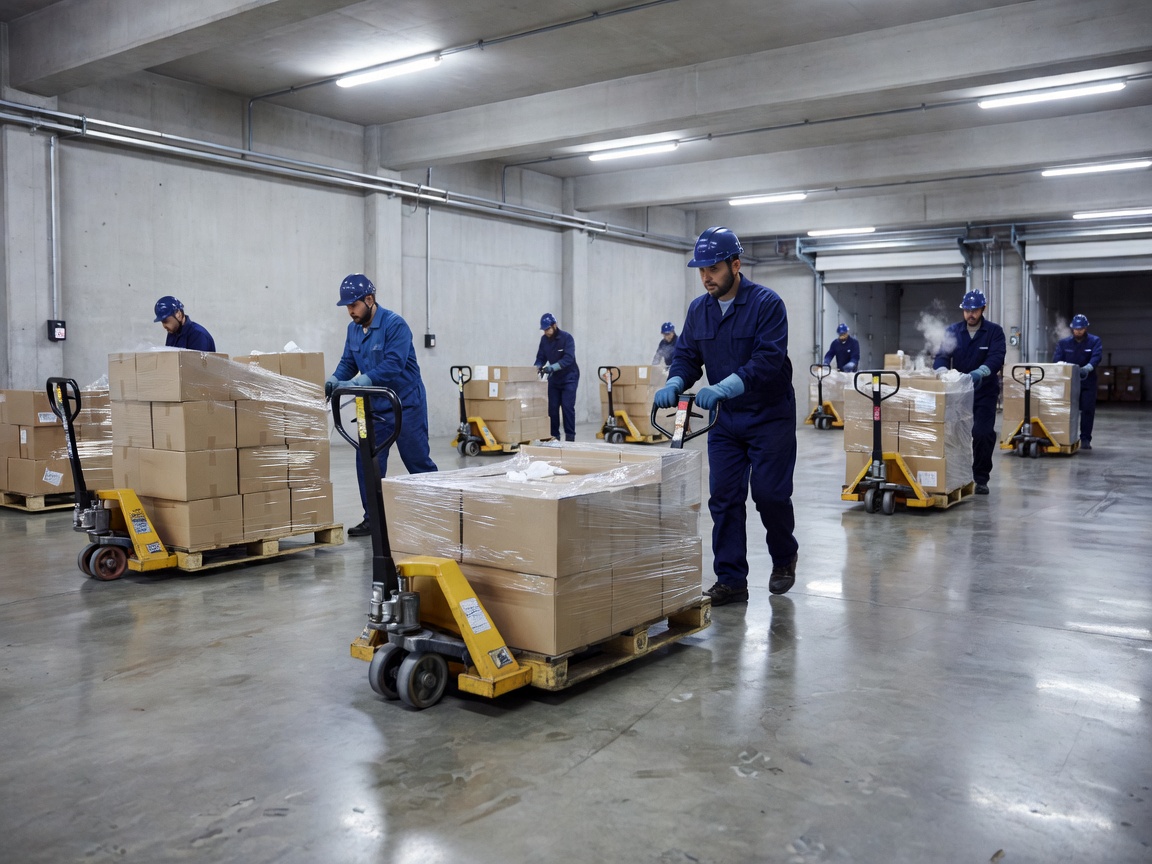
The uninterrupted cold chain is a requirement for modern global trade, dictating the location, scale, and operational velocity of massive refrigerated facilities. These structures are positioned strategically at the intersections of maritime, rail, and highway networks to facilitate rapid transfer of temperature-sensitive cargo.
Port-Adjacent Facilities
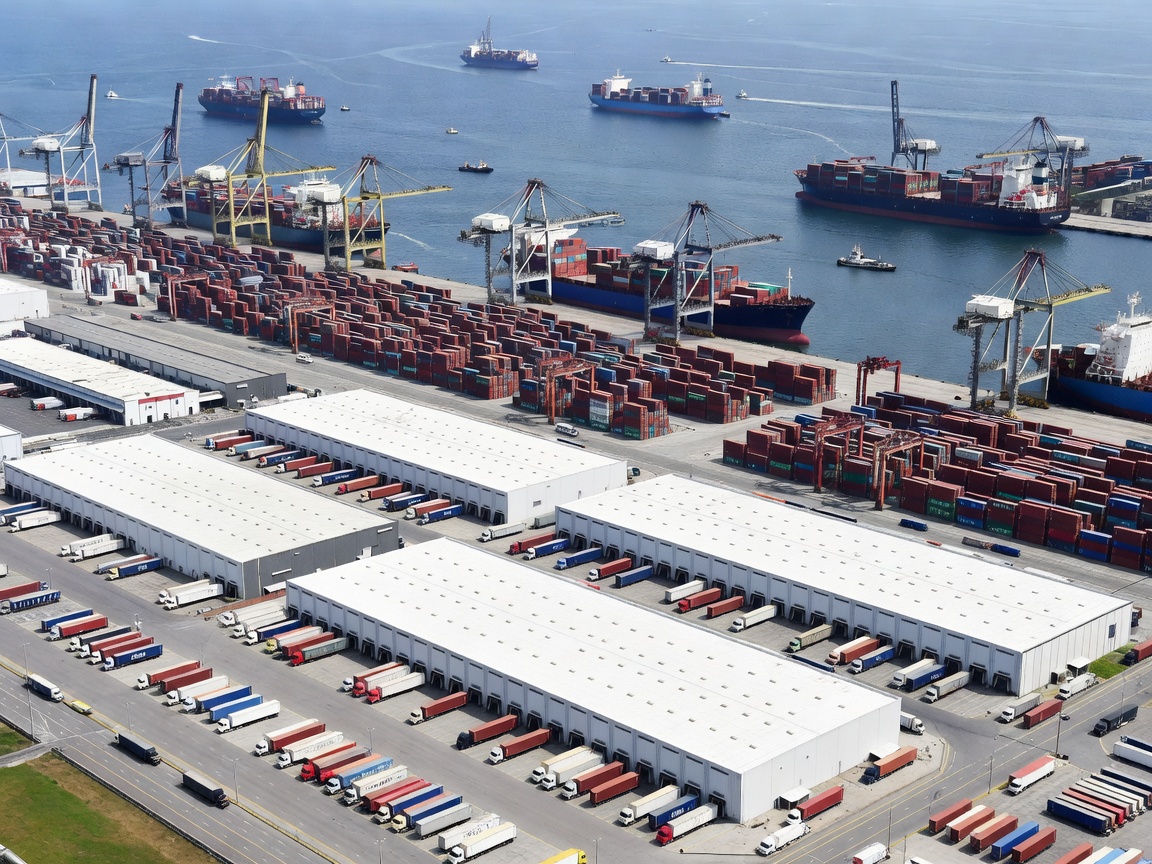
The vast majority of international frozen and chilled goods travel via refrigerated shipping containers (reefers). When these containers are unloaded at major seaports, the cargo must be rapidly transferred into port-adjacent cold storage facilities. These coastal nodes serve as the primary buffer between international shipping schedules and domestic inland logistics.
Facilities located near maritime hubs like Rotterdam, Los Angeles, and Shanghai are characterized by their immense capacity. They often incorporate blast freezing capabilities, designed to quickly lower the temperature of imported goods that may have experienced slight temperature deviations during ocean transit. The footprint of these buildings is heavily regulated by port authority land restrictions, leading to taller construction and increased reliance on high-density racking.
Because maritime schedules are subject to weather and port congestion, port-adjacent cold storage operators require flexible holding capacities. The facilities absorb surges in inventory when multiple vessels dock simultaneously, holding the cargo until inland transport networks have the capacity to move it outward.
Inland Hub-and-Spoke Distribution
Once goods clear the coastal entry points, they move into inland distribution networks structured primarily on the hub-and-spoke model. Massive central hubs are positioned in central geographic locations with direct access to major interstate highways. These central hubs hold long-term inventory in deep freeze conditions.
From these hubs, inventory is dispatched to smaller, regional spoke facilities located just outside major metropolitan areas. These spokes focus on high turnover rather than long-term storage. The architecture of a regional spoke reflects this operational difference: they feature a higher ratio of loading docks to overall square footage, and larger staging areas kept at chilled temperatures to facilitate rapid sorting and loading onto local delivery trucks.
This division of labor allows operators to optimize energy consumption. The massive central hubs minimize door openings and maximize storage density, keeping thermal loss to an absolute minimum. In contrast, the metropolitan spokes accept higher energy costs as a necessary trade-off for logistical velocity.
Cross-Docking Velocity
Cross-docking is a logistical procedure where inbound cargo is transferred directly to outbound transportation with little to no storage time in between. In a cold chain context, cross-docking takes place within an expansive, temperature-controlled staging arena known as the cold dock.
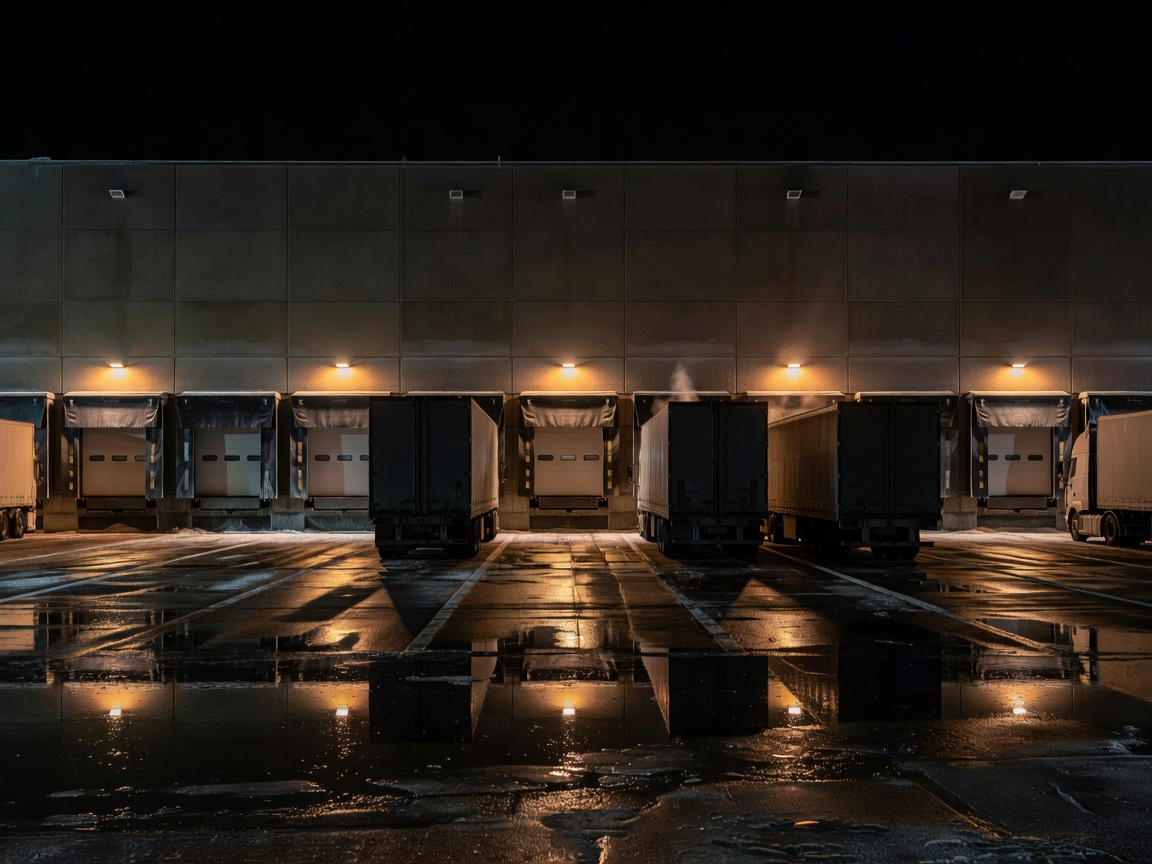
Unlike ambient warehouses where docks are open to the outside air, cold storage facilities utilize insulated dock seals and rapid-roll doors. When a truck backs into the bay, the seal forms a tight perimeter around the trailer. Only then do the doors open, ensuring that the cold dock is never exposed directly to the outside environment.
The continuous movement of goods across these docks requires meticulous scheduling. Pallets of perishable goods are received, scanned, broken down, mixed with other products to form specific outbound orders, and loaded onto outgoing trucks—all within a matter of hours, entirely under continuous refrigeration.