Energy Management and Sustainability
Cold storage facilities are among the highest energy consumers per square foot in the industrial real estate sector. The process of continually stripping heat from millions of cubic feet of air requires immense mechanical power, necessitating sophisticated energy management strategies and heavy-duty refrigeration chemistry.
Industrial Ammonia Refrigeration
While residential and commercial refrigeration largely relies on synthetic hydrofluorocarbons (HFCs), massive cold infrastructure overwhelmingly utilizes anhydrous ammonia (NH3) systems. Ammonia is highly efficient, absorbing vast amounts of heat as it evaporates, and it has a Global Warming Potential (GWP) and Ozone Depletion Potential (ODP) of zero.
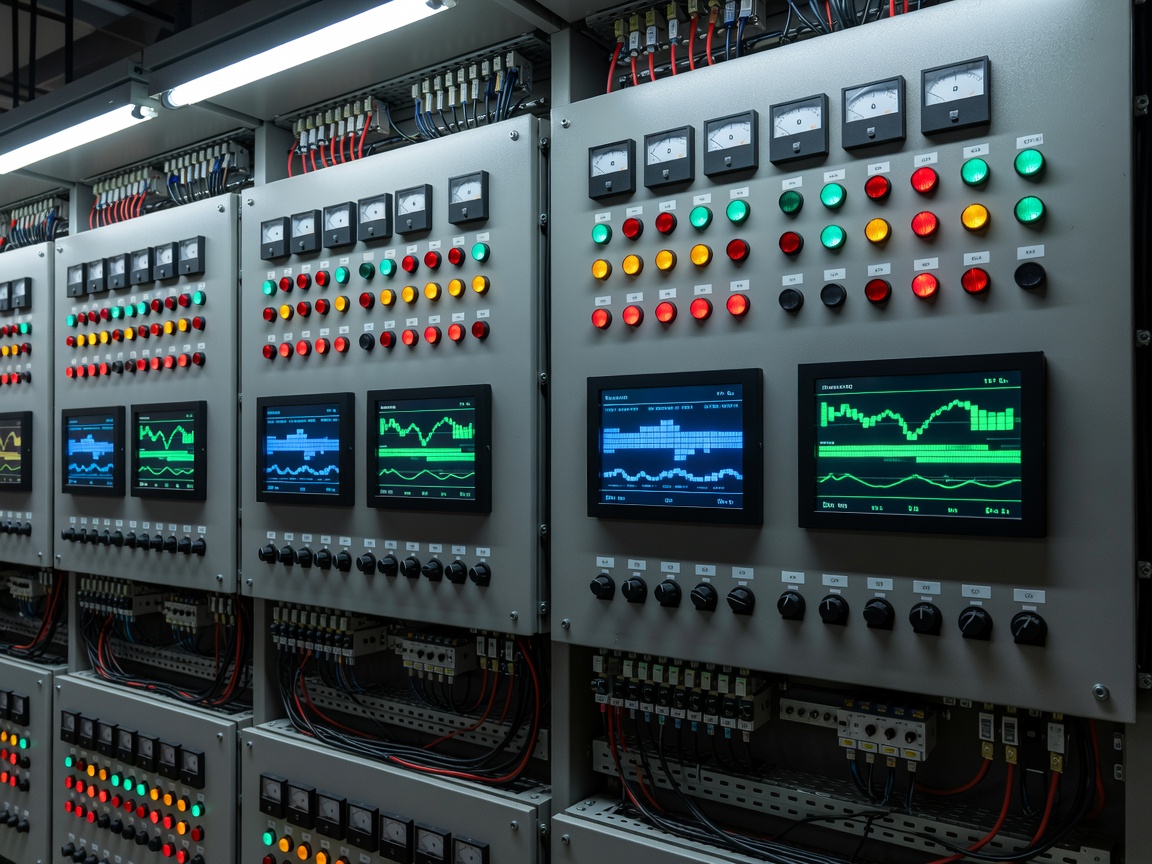
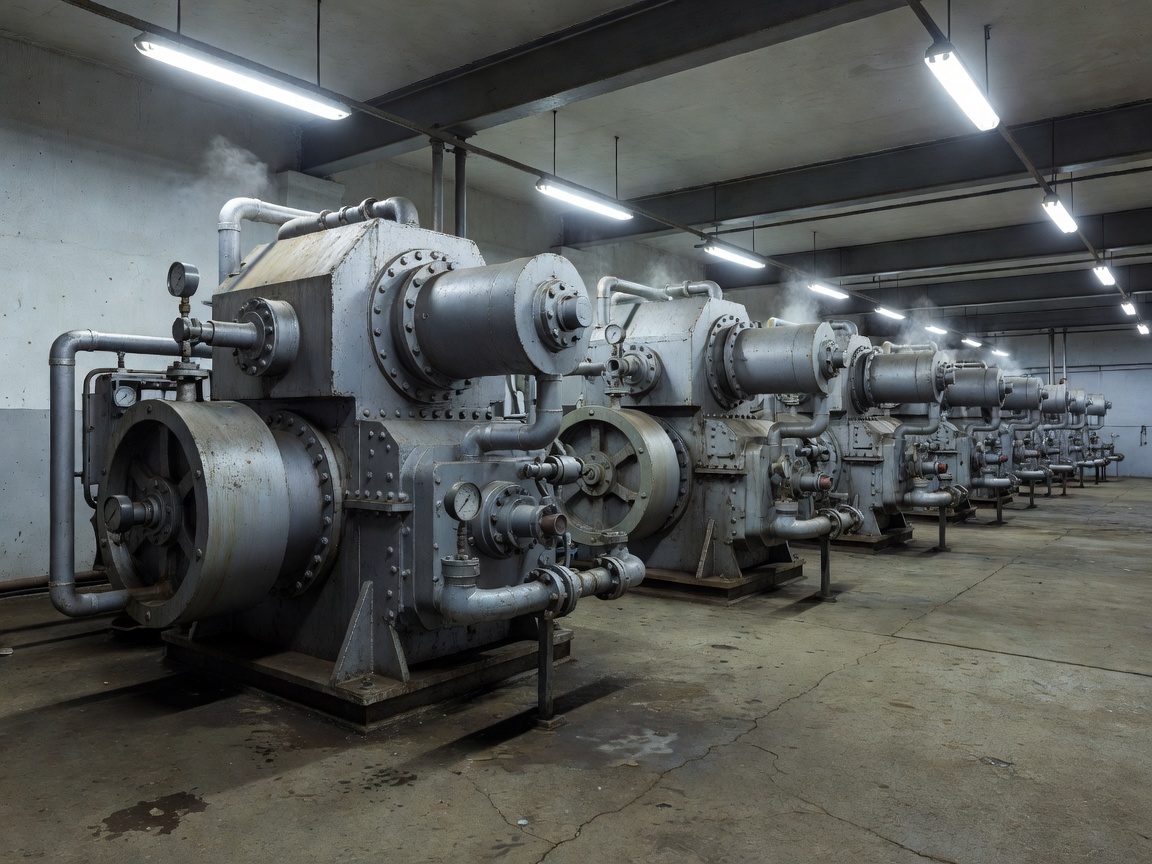
In a central ammonia plant, massive screw compressors increase the pressure of the ammonia gas. It travels to roof-mounted evaporative condensers where ambient air and a fine mist of water strip the heat away, turning the gas back into a liquid. This high-pressure liquid is pumped to evaporator coils suspended inside the freezer. Fans blow the warehouse air across these coils; the liquid ammonia boils back into a gas, absorbing heat, and the chilled air is circulated back into the storage area.
Because ammonia is toxic in high concentrations, these plants require dedicated engineering spaces securely isolated from the general working floor, outfitted with heavy ventilation and automated sensor arrays that shut down valves the moment a leak is detected.
Peak Shaving and Thermal Mass
Electricity is not priced evenly throughout the day; utility providers charge a premium during peak afternoon hours when grid demand is highest. Cold storage operators utilize a technique known as "peak shaving" to manage these costs without compromising product integrity.
The facility itself acts as a massive thermal battery. Inside a freezer holding tens of thousands of frozen pallets, the product itself—tons of frozen meat, vegetables, or pharmaceuticals—retains cold incredibly well. By running the ammonia compressors at maximum capacity during the night (when electricity rates are at their lowest), operators can "sub-cool" the facility, dropping the temperature a few degrees below the required baseline.
When the afternoon peak pricing window hits, the compressors are throttled down or turned off entirely. The thermal mass of the frozen goods and the highly insulated envelope keep the temperature stable for several hours until the peak pricing window passes, at which point the mechanical cooling resumes. This strategy drastically reduces reliance on the electrical grid during high-strain periods.